
Islamic Precedents for Endowments
The Waqf Tradition in Islam
Sh. Ahmad Taha
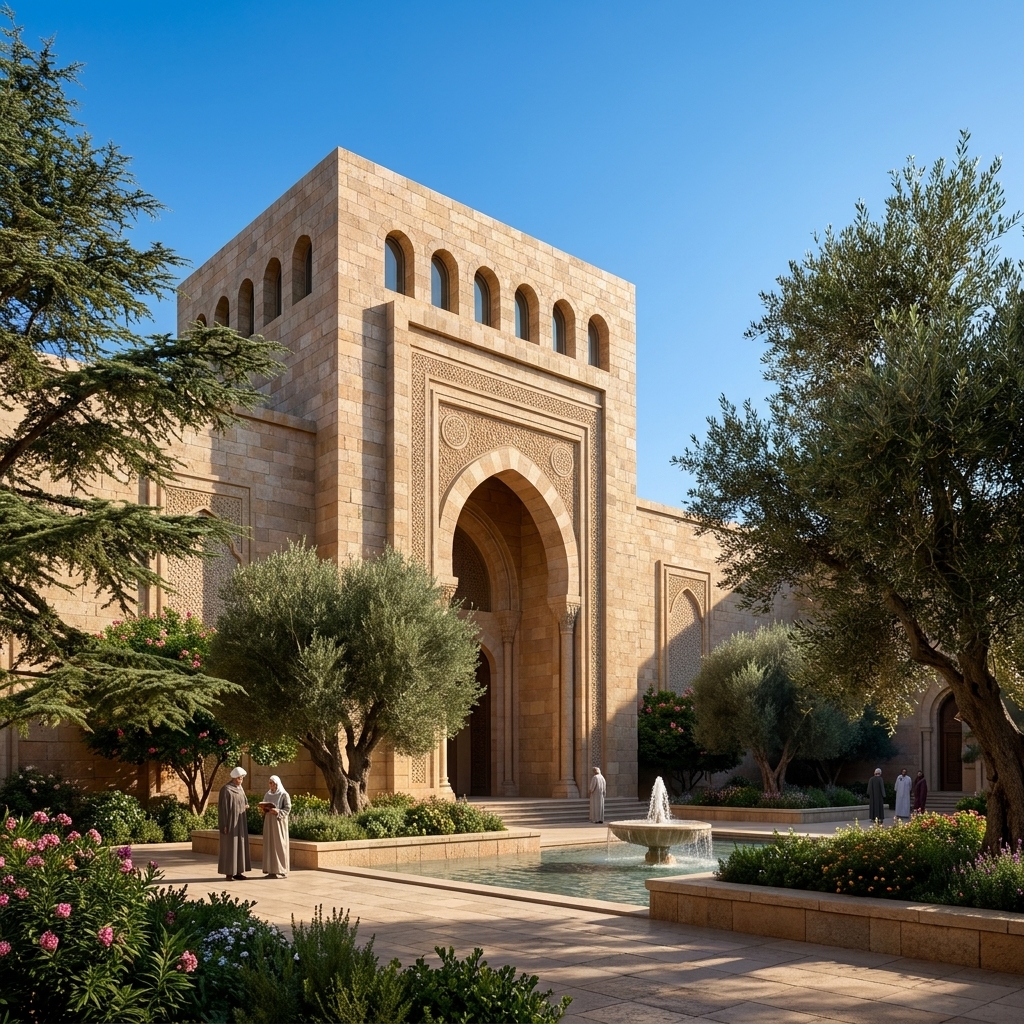
Islam does not view wealth as an end in itself, but as a trust (an amanah) from Allah. Spending from that wealth in His way is not merely encouraged; it is tied directly to attaining righteousness. The Qur’an states: "You will not attain righteousness until you spend from what you love" (Aal Imran, 3:92). This verse was the direct inspiration behind one of the earliest recorded Waqf acts in Islamic history, when the Companion Abu Talhah dedicated his beloved orchard in Madinah as an endowment upon the Prophet's ﷺ guidance.
The foundational daleel (Islamic evidence) for Waqf comes from a Hadith in Sahih al-Bukhari (no. 2737). When Umar ibn al-Khattab obtained fertile land in Khaybar that he described as the most precious he had ever acquired. He sought counsel from the Prophet ﷺ. The Prophet advised him: "If you like, you may make the property itself untransferrable and give its profit as charity." Umar acted on this immediately, establishing what scholars recognise as one of Islam's earliest formal endowments. The principal was protected; only its yield was distributed to the poor, the needy, travellers, and those seeking freedom.
Uthman ibn Affan (RA) extended this tradition further. When Muslims in Madinah struggled to access clean water, he purchased the well of Rumah reportedly for around 20,000 golden dirhams and declared it a public Waqf, free for every Muslim to draw from. More than 1,400 years later, the well and its surrounding date-palm estate continue to generate income, with proceeds distributed to orphans and the poor.
These daleel show that Waqf is not simply a charitable donation, but a deliberate act of directing wealth so that its benefit continues long after the original gift is made. It transforms wealth entrusted by Allah to an individual into an opportunity for lasting service, dignity and reward. Following the precedents set by the blessed Companions before us, our wealth also can be more than personal possessions. It can be a means of fulfilling our amanah, supporting people and communities across generations while carrying the hope of ongoing sadaqah jariyah for us.




Continue the Legacy of Giving
Create a legacy of giving that lasts for generations.