
A Permanent Answer to a Permanent Need
Asiya Rodrigo
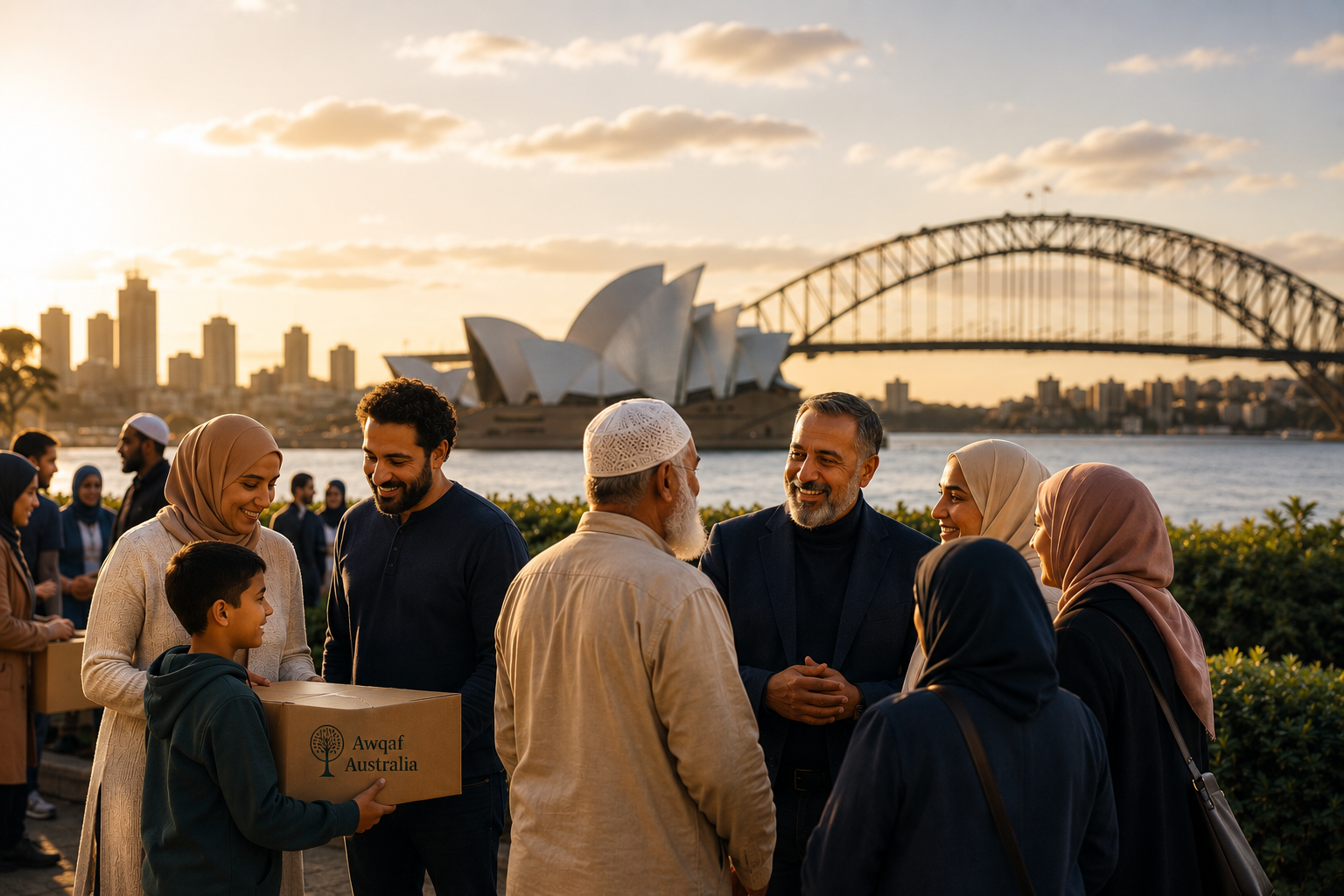
Australian Muslims give generously. That has never been our problem.
Many of us now own homes, businesses and investment portfolios. But there's one thing we haven't built enough of: assets that the community owns.
Every Ramadan, the appeals come and we answer them. None of that giving is wasted. It feeds people, shelters them, keeps services running, and it should continue.
But by Shawwal, much of it has been spent. And the organisations doing some of the hardest work — women's refuges, prison chaplaincy, youth work, mental health and rehabilitation — are still trying to fund the basics: program staff, rent, technology, financial management and audits.
That's not a fundraising failure. It's a design flaw.
The Stanford Social Innovation Review calls this the "nonprofit starvation cycle": organisations are expected to deliver more impact while chronically underfunding the infrastructure needed to deliver it.
The smallest women's shelter may need $100,000 or more to cover part-time admin staff, rent, and facility maintenance costs each year. Yet it might only receive grants to cover case work and a few consumables. That's a shortfall the management struggles with every year. It can barely keep the lights on, let alone serve more women and children in crisis situations.
Unrestricted institutional capital changes that equation. It gives a community the ability to take risks, respond to emerging needs and sustain important work through difficult years.
Australia already offers solutions worth learning from. First Nations community-controlled organisations running early support programs for children in difficult situations have shown what becomes possible when a community holds both the governance and the resources to set its own priorities.
Islamic tradition gave us an instrument for this centuries ago.
When Umar (RA) acquired land at Khaybar, the Prophet ﷺ offered him a path: hold the asset, and give its produce in charity.
That is waqf. Preserve the capital, distribute the benefit.
A donation can fund a program today. A waqf can help fund that program for generations.
This isn't a substitute for zakat or sadaqah. It sits alongside them. And a waqf that accumulates without distributing has failed on its own terms — the returns are meant to be spent to support intended beneficiaries.
The model is being revived across Western Muslim communities, in the UK, the US, New Zealand and here.
We're building that infrastructure in Australia: community-owned assets through a public ancillary fund, alongside a separate endowment fund for organisations who don't hold DGR status. The gap is structural and it needs a structural answer.
Our community already has the generosity.
We have the wealth.
Now we need to build the capital that makes both last.
If you're deciding how to give this year, consider giving once in a way that keeps giving. A waqf contribution isn't spent. It's preserved, invested ethically, and its returns fund community work every year after that. You can establish a named fund, contribute to an existing one, or leave it in your will.
And if you lead one of the organisations described above, still funding rent and audits out of program money, we'd like to talk to you.




Continue the Legacy of Giving
Create a legacy of giving that lasts for generations.